
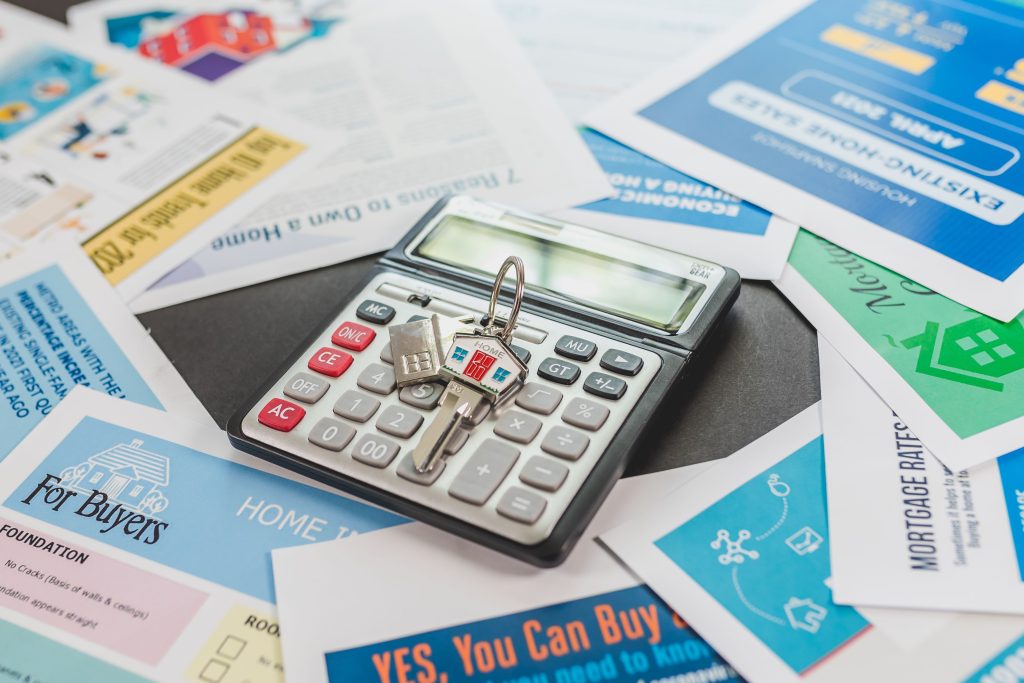
Owning a home involves managing a variety of documents, expenses, and maintenance activities. Over time, homeowners may accumulate mortgage statements, insurance policies, property tax records, repair invoices, warranties, and other important paperwork.
Keeping these records organized can make everyday responsibilities easier to manage and help homeowners make better-informed decisions about their property.
Keep Property Documents in One Place
Important homeownership documents can become difficult to locate when they are stored across different folders, email accounts, and filing systems.
Creating a dedicated place for property records can help homeowners access essential information when needed. Documents can be organized into categories such as insurance, taxes, maintenance, mortgage statements, and home improvements.
Track Home Maintenance and Repairs
Maintaining a record of repairs and routine maintenance can provide a useful history of the property’s condition.
Include details such as the date of the work, the service provider, the type of repair, and the associated cost. These records can help homeowners identify recurring problems and plan future maintenance more effectively.
Organize Insurance Information
Homeowners insurance documents contain important information about coverage, policy periods, exclusions, and claim procedures.
Keeping the latest policy documents accessible can make it easier to review coverage details and understand the steps to follow if damage occurs. Homeowners should also review their policies periodically to determine whether their coverage continues to meet their needs.
Maintain Property Tax Records
Property tax statements and payment confirmations are important financial records. Organizing them by year can make it easier to review payments, prepare financial documents, and identify discrepancies that may require attention.
Homeowners should also keep track of relevant notices from local tax authorities.
Record Home Improvements
Improvements such as renovations, major repairs, and equipment replacements can involve significant expenses. Keeping receipts, contracts, permits, and related documents can help homeowners maintain an accurate history of work completed on the property.
Depending on the circumstances, some records may also be relevant when calculating the property’s cost basis for tax purposes. Homeowners should consult a qualified tax professional about applicable requirements.
Create a Digital Filing System
Digital records can provide convenient access to important information. Scanning paper documents and saving them in clearly labeled folders can reduce the time needed to locate specific records.
Use strong passwords and appropriate security measures to protect sensitive financial and property information. Keep backups of important documents so that they remain accessible if a device is lost or damaged.
Review Records Regularly
Collecting documents is only part of the process. Reviewing them periodically helps homeowners identify outdated information, locate missing records, and ensure that important documents remain current.
For example, homeowners can check insurance renewal dates, warranty expiration dates, and upcoming maintenance requirements during a regular review.
Know Which Documents to Keep
Not every document needs to be retained indefinitely. However, important property ownership documents, tax records, contracts, warranties, and records related to major improvements may have long-term value.
Retention requirements vary by document type and jurisdiction. Homeowners should follow applicable legal, tax, and insurance guidance before disposing of records.
Final Thoughts
Organized homeownership records can make it easier to manage expenses, maintain a property, review insurance information, and prepare for future decisions.
By creating a consistent filing system, keeping maintenance histories, protecting digital documents, and reviewing records regularly, homeowners can reduce unnecessary confusion and maintain a clearer picture of their property’s history.
A simple recordkeeping routine can become a valuable part of responsible long-term homeownership.