
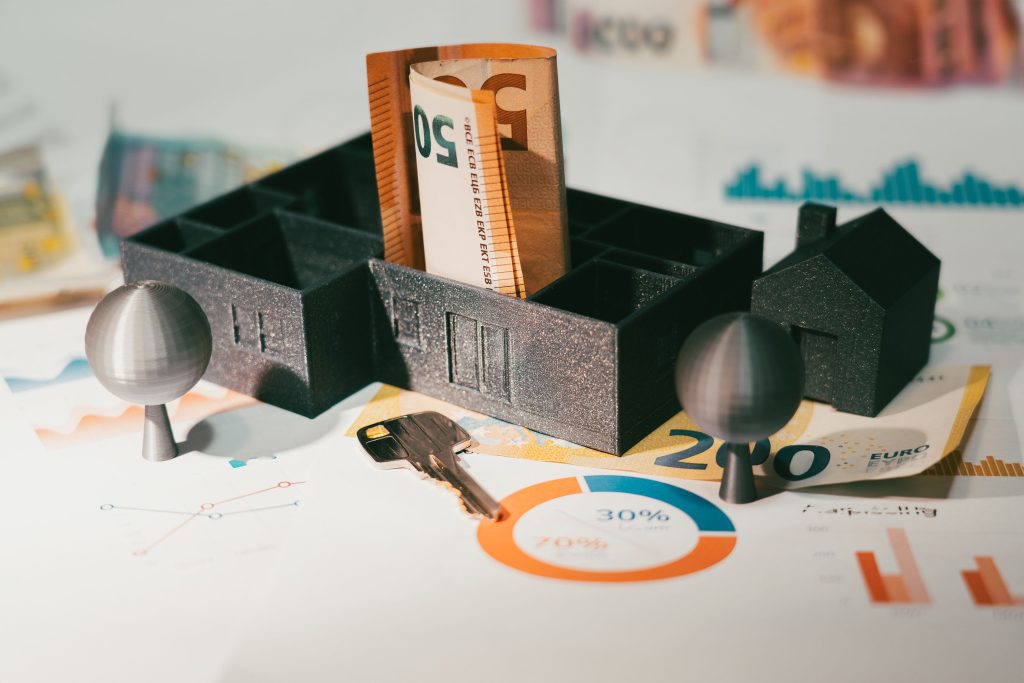
Unexpected expenses are a normal part of owning a home. A broken appliance, urgent repair, temporary change in income, or other unplanned cost can affect a household budget without much warning.
While it is impossible to predict every expense, homeowners can take practical steps to improve their financial preparedness.
Understand Your Regular Expenses
Start by knowing how much you normally spend each month. Housing costs, utilities, insurance, groceries, transportation, and debt payments can all affect the amount of money available for unexpected situations.
Having a clear picture of regular expenses makes it easier to identify how much flexibility exists in the household budget.
Build an Emergency Savings Cushion
An emergency fund can provide financial support when an unexpected expense occurs. The appropriate amount will depend on individual income, expenses, existing savings, and household circumstances.
Even smaller, consistent contributions can gradually create a useful financial cushion.
Keep Home Repair Costs in Mind
Homeowners may eventually face expenses involving plumbing, electrical systems, appliances, roofing, heating and cooling equipment, or other parts of the property.
Creating a separate savings category for home-related repairs can help distinguish these expenses from everyday spending.
Prioritize Urgent Expenses
Not every unexpected expense requires the same response. Some repairs may need immediate attention, while others can reasonably be planned for later.
Understanding the difference between urgent and non-urgent expenses can help homeowners allocate available funds more effectively.
Review Insurance Coverage
Homeowners should periodically review their insurance information and understand what their policy generally covers, what exclusions may apply, and whether their coverage still reflects their circumstances.
Keeping policy documents organized can also make it easier to find important information when needed.
Avoid Relying Entirely on Credit
Credit can be useful in certain situations, but relying heavily on borrowed money for unexpected expenses can create additional financial obligations.
Maintaining savings where possible can give homeowners more flexibility when dealing with unplanned costs.
Keep Important Home Information Organized
Maintaining records of warranties, repairs, maintenance, insurance policies, and major purchases can be useful when something needs to be repaired or replaced.
A simple digital folder can help keep important documents accessible without having to search through paperwork.
Review Your Financial Plan After Major Changes
A change in employment, household income, family circumstances, or major expenses may affect how prepared a homeowner is for unexpected costs.
Reviewing the household budget after a significant change can help identify whether savings targets or spending priorities need to be adjusted.
Make Preparation a Regular Habit
Financial preparedness does not have to involve complicated planning. Reviewing expenses, adding regularly to savings, maintaining the property, and keeping records organized can make unexpected situations easier to manage.
Small habits maintained over time can contribute to greater financial flexibility.
Final Thoughts
Unexpected household expenses are difficult to eliminate, but homeowners can prepare for them. Understanding regular expenses, maintaining an emergency cushion, planning for repairs, reviewing insurance, and keeping important information organized can all help reduce financial stress when unexpected costs arise.
The goal is not to predict every possible problem. It is to build financial habits that provide greater flexibility when something unexpected happens.