
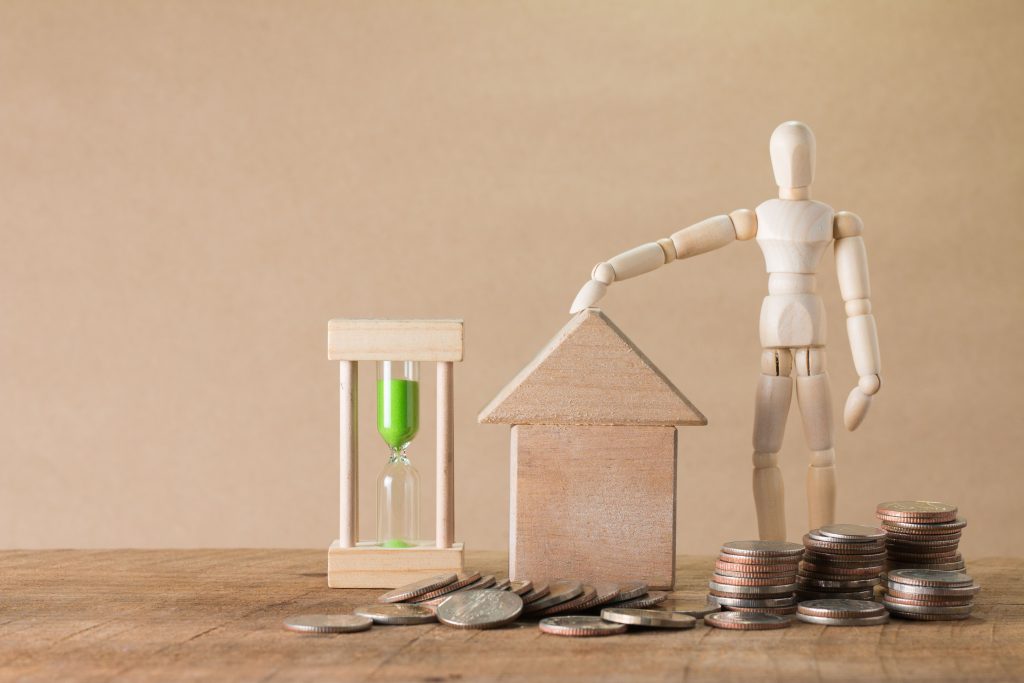
Home maintenance is an important part of long-term homeownership. Small repairs and routine upkeep can be easy to overlook, especially when everything appears to be working properly. However, regular maintenance can help homeowners identify potential problems and plan for future expenses.
Understanding how maintenance fits into a household budget can make homeownership more manageable over time.
Create a Home Maintenance Routine
Different parts of a home require attention at different times of the year. Heating and cooling systems, plumbing, roofing, appliances, windows, and exterior areas may all require periodic inspection or maintenance.
Creating a simple maintenance schedule can help homeowners keep track of these tasks instead of waiting until a problem becomes noticeable.
Pay Attention to Small Problems
A minor issue can sometimes develop into a larger and more expensive repair if it is ignored. A small water leak, unusual noise from an appliance, damaged seal, or visible crack may be worth investigating.
Addressing problems early does not guarantee that major repairs can be avoided, but it can help homeowners stay aware of the condition of their property.
Budget for Routine Maintenance
Maintenance costs are part of the ongoing expense of owning a home. Setting aside money for routine upkeep can make these expenses easier to manage.
The amount needed will depend on factors such as the age of the property, its size, the condition of major systems, and the type of maintenance required.
Prepare for Larger Replacements
Some components of a home eventually reach the end of their useful life. Roofs, water heaters, heating and cooling systems, appliances, and other major components may eventually need to be repaired or replaced.
Planning for these expenses in advance can reduce the financial pressure when a major replacement becomes necessary.
Keep Records of Repairs and Maintenance
Keeping a record of maintenance work can help homeowners understand the history of their property. Receipts, service dates, warranties, and information about replacement parts can be useful for future reference.
A simple digital folder or spreadsheet can make these records easier to organize.
Consider Seasonal Maintenance
Some maintenance tasks are seasonal. Preparing a home before periods of extreme heat, cold, rain, or storms can help homeowners identify potential issues before they become urgent.
A seasonal checklist can make it easier to remember tasks that may only need attention once or twice each year.
Know When Professional Help May Be Appropriate
Not every repair is suitable for a do-it-yourself approach. Electrical work, structural concerns, major plumbing problems, and certain mechanical systems may require qualified professionals.
Understanding the limits of personal maintenance skills can help homeowners approach repairs safely and appropriately.
Include Maintenance in Long-Term Financial Planning
Home maintenance should be considered alongside other household expenses. Planning for both routine costs and potential larger repairs can provide a more realistic picture of the financial responsibilities of homeownership.
A dedicated savings category for home-related expenses can also make it easier to track progress.
Final Thoughts
Home maintenance is more than a list of repair tasks. It is an ongoing part of responsible homeownership. Regular inspections, timely attention to problems, organized records, and financial preparation can help homeowners manage their properties more effectively.
Planning ahead cannot eliminate unexpected repairs, but it can make homeowners better prepared when those expenses arise.